Currents of Change
Environmental recovery and resilience worldwide. Become aware of the range of global environmental issues and learn what you can do to help
About me!
Hi! My name is Erin and I am a high school senior based in Dallas, Texas. I am passionate about our impact on the environment and sharing ways we can create a real change. Beyond writing, I’ve taken part in service trips and community projects that fuel my drive to help protect the planet. This is where I share what I have learned and how we can all work together toward a healthier future.

Welcome!
-
Welcome to Currents of Change — a blog focused on documenting environmental challenges all over the world, and the efforts being made to address them. From disappearing coastlines to urban air pollution, this space highlights critical issues shaping ecosystems and communities around the world. Each post explores the context behind these problems, and offers realistic ways readers can contribute, whether through personal choices, policy engagement, or supporting local initiatives! This is a place for staying informed, not overwhelmed, and for understanding how even small actions can be part of a larger shift. Explore my page and find numerous global issues and learn how you can help!
Coral Reef Conservation: Fins Belize
-
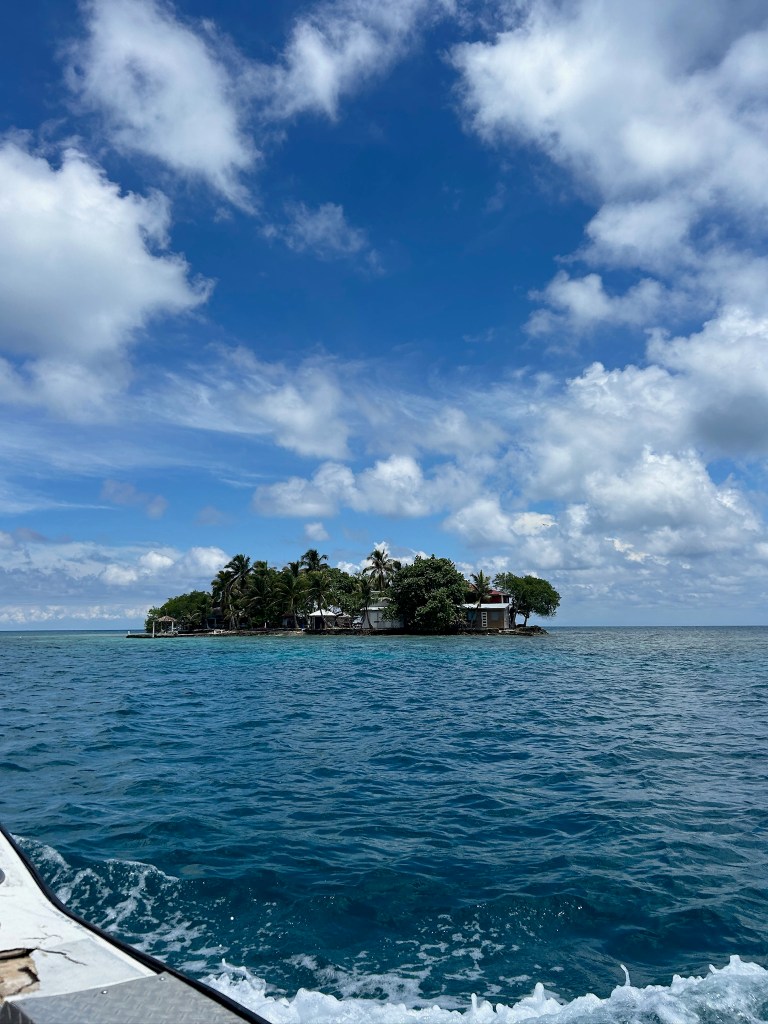
This is a picture of a remote island I visited this summer off the coast of Belize. I attended a trip with an organization by the name of Travel for Teens, which is a program that high school students can complete service trips through with groups of kids their age around the world. The issue that we were combating, and the focus of the trip, was Coral Reef Preservation. There is a species of fish known as Lionfish; they are an invasive species with no predators, and their habitat is in coral reefs around the world. These fish are extremely detrimental toward reefs, and quickly eliminate other fish that are crucial to keeping the reef healthy and clean; ultimately leading to the degradation of the reef. Because Lionfish have no predators, one of the only ways to eliminate them is for human divers to visit these reefs and spear them. This was the task that I, and other teens were assigned with during our two weeks on the island. Of course, I am not telling everyone to put on some diving gear and get down there; it takes weeks of training and preparation. However, there are organizations that are in need of support so that they can carry out their duty to protect the reefs. Fins Belize is one of those organizations that we worked with directly. They were extremely kind and patient with us when teaching us how to scuba dive, and spending two weeks with rowdy teenagers. You can support them by purchasing their handcrafted jewelry or getting directly involved if you have an interest in scuba diving! https://finsbelize.com/
Canada Wildfires
-
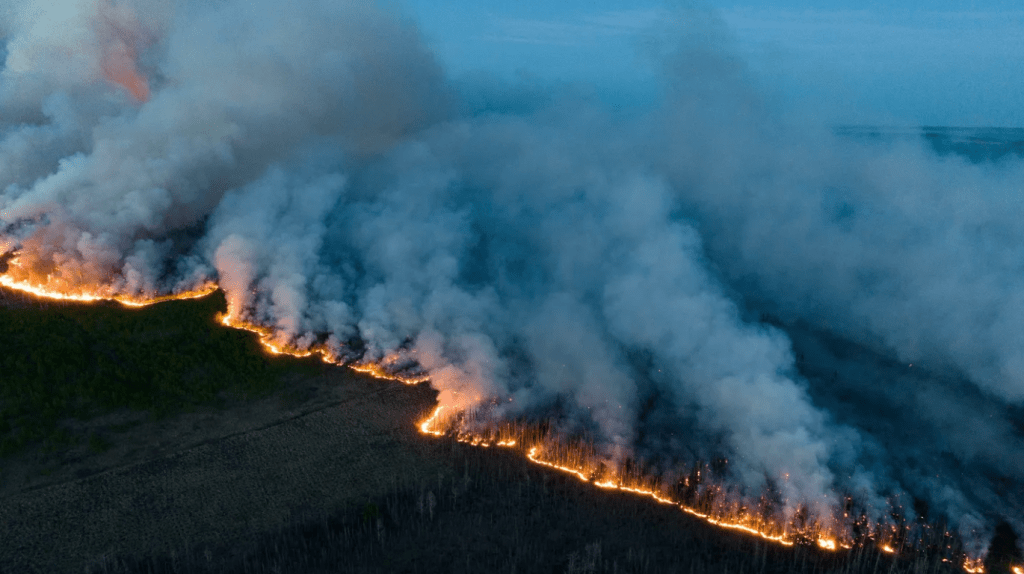
Photo: Eyevine/ Xinhua News Agency Canada is facing one of its most devastating wildfire seasons on record, with millions of acres burned, thousands displaced, and smoke impacting air quality across North America. These fires are not only a national crisis, they’re a reminder of the growing intensity of climate-related disasters worldwide. As rising temperatures and prolonged droughts fuel more frequent wildfires, communities, ecosystems, and wildlife are increasingly at risk. In the face of this urgent and devastating crisis, support is critical. I have attached a link to Canada Red Cross donation page. Every dollar counts. https://give.redcross.ca/page/24CWFA
Costa Rica Sea Turtles
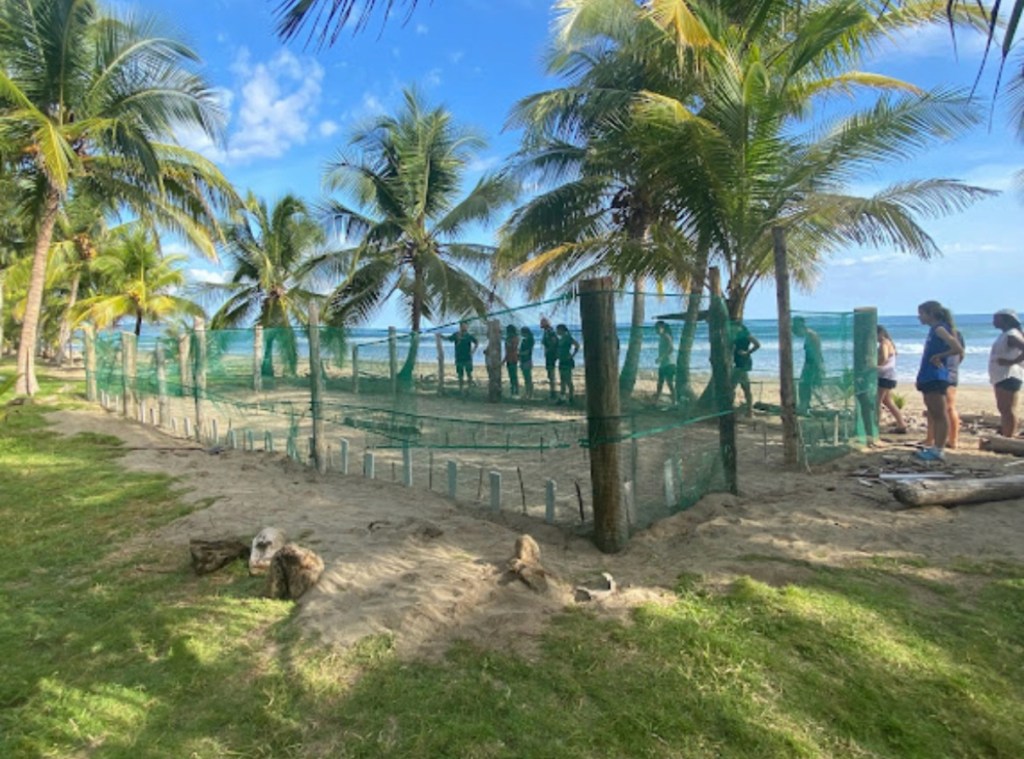
During the summer of 2023, I went on a service trip to Costa Rica that was centered around Sea Turtle conservation. Sea turtles have called the ocean their home for millions of years, but many species are now endangered due to a variety of human-caused threats. For example, in Costa Rica, there is a surge of a type of people known as Poachers. These poachers eat sea turtle eggs and will even go as far as bringing hot sauce to the beach, find eggs, and feast. This serves as a threat to the already endangered sea turtle. Another major factor is habitat loss and pollution. Coastal development often disrupts parts of the beach where a turtle may lay their eggs, and plastic is another huge danger as turtles may ingest debris or become entangled in them. My work in Costa Rica involved building a hacthcery (as depicted in the photo) where sea turtle eggs could be incubated and protected from external harm from poachers or predators. We would go on night patrols, search, and collect as many eggs as we could, to then unload them in a safer environment where they could grow and hatch.
Protecting sea turtles requires a mix of local and global efforts. Supporting conservation programs that protect nesting beaches and monitor hatchlings is vital. We worked with an organization known as Turtle Trax. They are devoted to preserving and protecting these beautiful creatures, and depend on volunteers and donations to keep their organization running. I have attached a link to their donation page: https://www.turtle-trax.com/get-involved/ You have the power to help.
Land Degradation in Asia
-
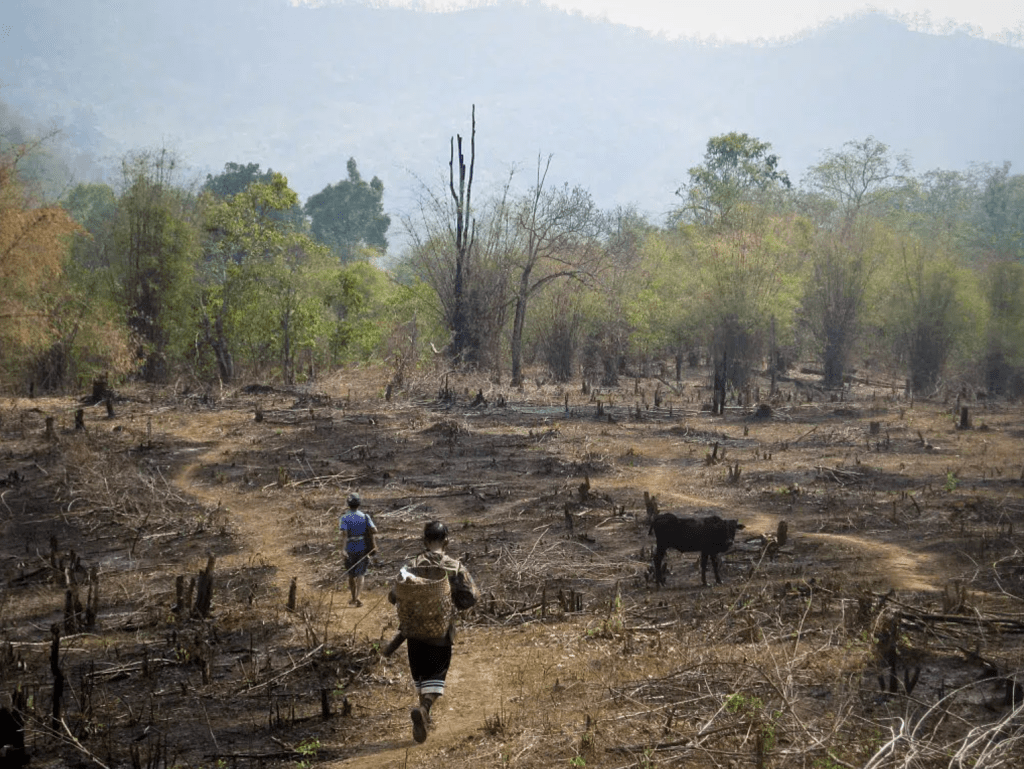
Image by Wikimedia Commons
Land degradation is one of Asia’s biggest environmental challenges, effecting millions of people who rely on the land for food and livelihoods. It happens when soil and ecosystems lose their health and productivity, often due to deforestation, over-farming, and rapid urban growth. Climate change also adds to the pressure: higher temperatures and unpredictable rainfall make fragile land harder to sustain. The impacts effect enture communities in multiple countries in Asia.
The good news is that solutions exist: reforestation projects, sustainable farming, and soil restoration efforts are helping heal degraded land. By supporting and spreading these practices, Asia can work toward protecting its natural resources and building a more resilient future. Global Greengrants Fund is an organization that supports grassroots and local groups throughout Asia that are disproportionately affected by environmental degradation. The link to their website is attached here: https://www.greengrants.org/
Even the smallest action can help.
Self-Directed Peer Research
-
As a teenager myself, I have wondered what motivates people my age to take meaningful environmental action, and what holds them back. Through surveys and research, I found that most teens do care, but feel that their individual actions would not make a significant difference.
Some teenagers reported that they first started caring about climate change as young as 10 years old. It seems that the biggest push that made them feel strongly about environmental issues was social media trends, specifically the VSCO trend of 2019. A major part of the VSCO trend was the “save the turtles” movement, encouraging the use of metal straws and reusable water bottles. Even I can report that this trend did, in fact, have everyone buying Hydro Flask water bottles and all of a sudden begin caring about sea turtles.
The big picture behind this, according to a surveyed teen, was that young people’s opinions nowadays are largely shaped by what the people around them say and do. Additionally, according to another surveyed teen, “people’s indifference is contagious.” Since now more than ever, exposure to social media is extremely prominent, the “people around them” could really be from anywhere. Therefore, to directly encourage action towards today’s youth, a large-scale social media movement that provides convenient resources for watchers to take meaningful action has the potential to be extremely beneficial and successful.
As proved during the VSCO era of our youth, big social media pushes and trends are successful in achieving eco-conscious action. Consider this blog as the first tiny push toward this movement. Moving forward, I hope to continue exploring how we can build confidence and community support, so that caring transforms into action for all of us.

